
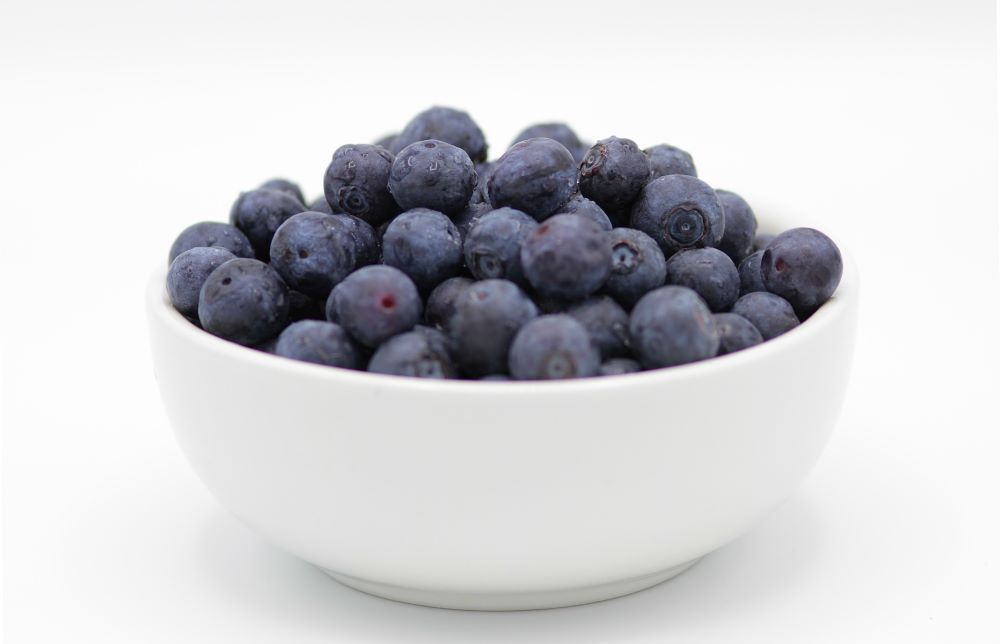
Blueberries
Blueberries are one of the most nutritious, antioxidant-rich types of fruit available. For that reason, they have been chosen as Superfood #2 in our list of JL-7 ingredients. Among many other health benefits, blueberries have the following characteristics which apply to digestive health.
High in Antioxidants. The following studies provide added information related to antioxidants:
Free Radicals, Antioxidants in Disease and Health
https://www.ncbi.nlm.nih.gov/pmc/articles/PMC3614697/
Survey of antioxidant capacity and phenolic composition of blueberry, blackberry, and strawberry in Nanjing
https://www.ncbi.nlm.nih.gov/pmc/articles/PMC3274736/
Alleviate Inflammation. The following studies provide more information related to Inflammation:
The inflammation theory of disease
https://www.ncbi.nlm.nih.gov/pmc/articles/PMC3492709/
Polyphenols from blueberries modulate inflammation cytokines
https://pubmed.ncbi.nlm.nih.gov/24905959/
Anti-inflammatory effect of the blueberry anthocyanins malvidin-3-glucoside and malvidin-3-galactoside in endothelial cells
https://pubmed.ncbi.nlm.nih.gov/25153881/
Effect of blueberry ingestion on natural killer cell counts, oxidative stress, and inflammation prior to and after 2.5 h of running
https://pubmed.ncbi.nlm.nih.gov/22111516/
Dual action of highbush blueberry proanthocyanidins on Aggregatibacter actinomycetemcomitans and the host inflammatory response
https://pubmed.ncbi.nlm.nih.gov/29321009/
Help Fight Cancer. The following studies provide more information related to cancer prevention:
Blueberry Phytochemicals Inhibit Growth and Metastatic Potential of MDA-MB-231 Breast Cancer Cells
https://www.ncbi.nlm.nih.gov/pmc/articles/PMC2862148/
Inhibition of cancer cell proliferation and suppression of TNF-induced activation of NFkappaB by edible berry juice
https://pubmed.ncbi.nlm.nih.gov/17465224/